

Call us now
07971459627

 Send Inquiry
ABB PM5670-2ETH
Price 249999.0 INR/ Unit
MOQ : 1 Unit
ABB PM5670-2ETH Specification
- Thickness
- Standard enclosure (>30 mm)
- Control System
- Programmable Logic Controller (PLC)
- Rated Current
- 2.5 A (max system)
- Base Material
- Polycarbonate
- Cooling System
- Natural Convection
- Cabinet Material
- Polycarbonate/Metal Blend
- Current Rating
- 2.5 A
- Protection Level
- IP20
- Rated Operation Voltage
- 24 V DC
- Features
- Dual Ethernet, Modular Extension, High Performance ARM Processor
- Protection Class
- Class II
- Operating Voltage
- 24 V DC
- Connectivity Type
- Dual Ethernet, Serial, I/O bus
- Rated Insulation Voltage
- 500 V AC
- Way
- Modular, rack mount
- Cover Material
- Polycarbonate
- Components
- 2 x Ethernet Ports, 2 x Serial Ports (RS-232/RS-485)
- Panel Type
- PLC CPU module
- Product Type
- AC500 PLC CPU Module
- Material
- Plastic/Metal Blend
- Surface Finish
- Matte
- Standard
- IEC 61131-2
- Surface Color
- Grey
- Rated Voltage
- 24 V DC
- Frequency (MHz)
- 50/60 Hz
- Maximum Output Current
- 500 mA (per output)
- Dimension (L*W*H)
- 120 x 94 x 64 mm
- Application
- Industrial Automation, Process Control
- IP Rating
- IP20
- Display Type
- LED Indicators
- Serial Ports
- 1 x RS232, 1 x RS485
- Mounting Type
- DIN Rail Mount
- Expansion slots
- 4
- Battery backup
- Yes
- Operation Temperature Range
- -25C to +60C
- Processor Type
- ARM
- Storage Temperature
- -40C to +70C
- Relative Humidity
- 5% to 95% (non-condensing)
- Memory Size
- 1 MB program / 128 kB data
- Ethernet ports
- 2 x 10/100 Mbps (RJ45)
ABB PM5670-2ETH Trade Information
- Minimum Order Quantity
- 1 Unit
- Delivery Time
- 2 Week
About ABB PM5670-2ETH
General Information
Extended Product Type:
PM5670-2ETH
Product ID:
1SAP151000R0278
ABB Type Designation:
PM5670-2ETH
EAN:
4013614509032
Catalog Description:
Processor module. Memory 160MB. Interfaces: 2 Ethernet, RS232/485, CAN. Display (PM5670-2ETH)
Long Description:
PM5670-2ETH: AC500 Processor module. Memory 160MB. Interfaces: 2 Ethernet, RS232/485, CAN. Display. (CLASSIC) - replaced by 1SAP151000R0378
Ordering
CN8:
85389091
Invoice Description:
Processor module. Memory 160MB. Interfaces: 2 Ethernet, RS232/485, CAN. Display (PM5670-2ETH)
Made To Order:
No
Minimum Order Quantity:
1 piece
Order Multiple:
1 piece
Selling Unit of Measure:
piece
Replacement Product ID (NEW):
Dimensions
Product Net Weight:
0.133 kg
Product Net Depth / Length:
62 mm
Product Net Height:
76 mm
Product Net Width:
67.5 mm
Gross Weight:
0.152 kg
Package Level 1 Depth / Length:
84 mm
Package Level 1 Height:
72 mm
Package Level 1 Width:
71 mm
Package Level 1 Units:
carton 1 piece
Certificates and Declarations
Declaration of Conformity - CE:
REACH Date:
20241206
REACH Declaration:
REACH Information:
True - contains substances > 0.1 mass percentage
SCIP:
c44c25d9-60ee-4d4e-a14a-4c0dea485155 Germany
RoHS Declaration:
RoHS Information:
Following EU Directive 2011/65/EU and Amendment 2015/863 July 22, 2019
Technical
Function:
Memory 160MB. Interfaces: 2 Ethernet, RS232/485, CAN. Display
Number of Hardware Interfaces:
Industrial Ethernet 2
Other 2
Parallel 0
RS-232 0
RS-422 0
RS-485 0
Serial TTY 0
USB 0
Wireless 0
Memory Size:
820500 kB
Memory Type User Data:
RAM
Controller Processing Time:
0.000002 ms
Number of Digital Configurable I/Os:
0
Degree of Protection:
IP20
Rated Voltage (Ur):
24 V DC
Supply Voltage:
20.4 28.8 V DC
Additional Information
Product Main Type:
PM5670
Product Name:
Distributed Automation PLCs
External Classifications and Standards
eClass:
27-24-22-07
ETIM 8:
EC000236 - PLC CPU-module
ETIM 9:
EC000236 - PLC CPU-module
ETIM 10:
EC000236 - PLC CPU-module
UNSPSC:
32151705
Environmental
WEEE B2C / B2B:
Business To Business
WEEE Category:
5. Small Equipment (No External Dimension More Than 50 cm)
Advanced Connectivity and Versatility
The PM5670-2ETH PLC features dual Ethernet ports and both RS232 and RS485 serial ports, enabling seamless integration into diverse industrial networks. Its modular design with four expansion slots allows flexible system scaling, making it ideal for both small- and large-scale automation projects.
Rugged Reliability for Harsh Environments
Engineered for reliability, this PLC operates efficiently between -25C and +60C, withstanding storage temperatures down to -40C and up to +70C. With an IP20 protection rating and a polycarbonate/metal blend chassis, it is well-suited for demanding industrial settings.
Intuitive Monitoring and Easy Installation
LED indicators simplify operational status checks, while DIN rail and modular rack mounting support quick and straightforward installation. The battery backup ensures program retention during power outages, contributing to continuous, uninterrupted automation.
FAQ's of ABB PM5670-2ETH:
Q: How does the ABB PM5670-2ETH support network connectivity in industrial automation?
A: The PM5670-2ETH is equipped with dual 10/100 Mbps Ethernet ports and both RS232 and RS485 serial ports, allowing it to connect seamlessly with various devices and control systems in industrial automation environments. This supports real-time data exchange, remote monitoring, and integration into complex network architectures.Q: What types of environments is the PM5670-2ETH suited for?
A: The PM5670-2ETH is designed to perform reliably in industrial settings with wide temperature fluctuations (-25C to +60C operating, -40C to +70C storage) and humidity ranges (5% to 95% non-condensing). Its IP20 rating ensures protection against solid objects, making it suitable for control cabinets and protected installations.Q: When should I consider using the ABB PM5670-2ETH in my automation project?
A: You should use the PM5670-2ETH when you require a robust PLC with advanced connectivity, modular expansion options, and high processing power for automation and process control systems. It is particularly beneficial for projects that demand reliability, flexibility, and future scalability.Q: Where can the PM5670-2ETH be installed?
A: This PLC is designed for DIN rail and modular rack mounting, making it easy to install inside standard industrial control panels and enclosures. Its compact design ensures it fits seamlessly within space-constrained automation systems.Q: What is the process for expanding system functionality with the PM5670-2ETH?
A: The PM5670-2ETH features four expansion slots, allowing users to add I/O modules or additional communication interfaces as needed. Simply mount the expansion modules onto the main unit, connect them using the integrated bus, and configure settings via the control software.Q: What are the primary benefits of using the PM5670-2ETH in process control applications?
A: Key benefits include reliable performance under harsh conditions, robust network connectivity, modular expansion, integrated battery backup for data security, and compliance with IEC 61131-2 standards, ensuring compatibility with a wide range of industrial equipment.Q: How is operational status monitored on the PM5670-2ETH?
A: Operational status is easily monitored through integrated LED indicators on the module, which display power, communication activity, and fault conditions, enabling quick diagnostics and maintenance checks.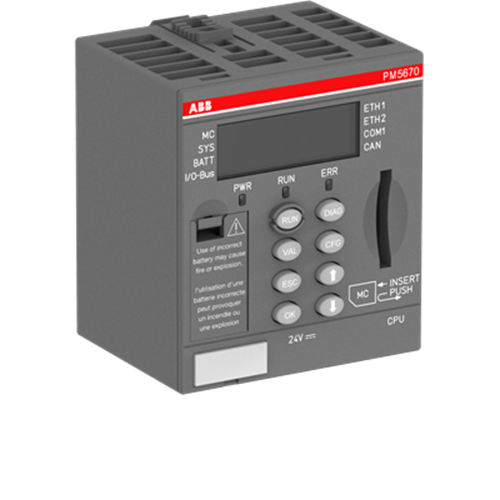
Tell us about your requirement

Price:
Quantity
Select Unit
- 50
- 100
- 200
- 250
- 500
- 1000+
Additional detail
Mobile number
Email

More Products in PLC Category
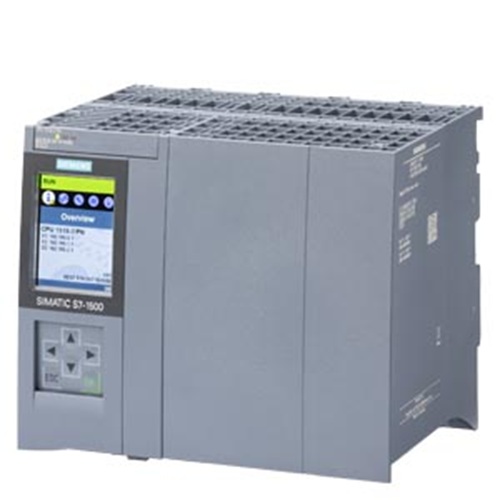
Siemens CPU 1518-3 PN 6ES7518-3AT10-0AB0
Price 510000.0 INR / Unit
Minimum Order Quantity : 1 Unit
Control System : SIMATIC S71500 Automation System
Rated Current : Not Applicable (CPU module)
Surface Finish : Other, Matte
Base Material : Other, Plastic
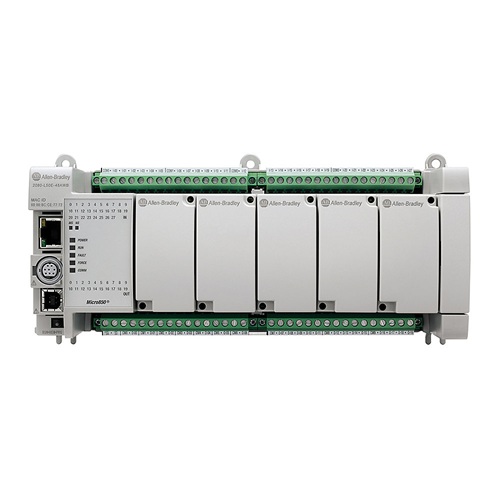
Allen-Bradley 2080-L50E-48AWB
Price 34998.0 INR / Unit
Minimum Order Quantity : 1 Unit
Control System : PLC (Programmable Logic Controller)
Rated Current : 8A (per group, Total)
Surface Finish : Other, Matte
Base Material : Other, Polycarbonate / Metal Frame
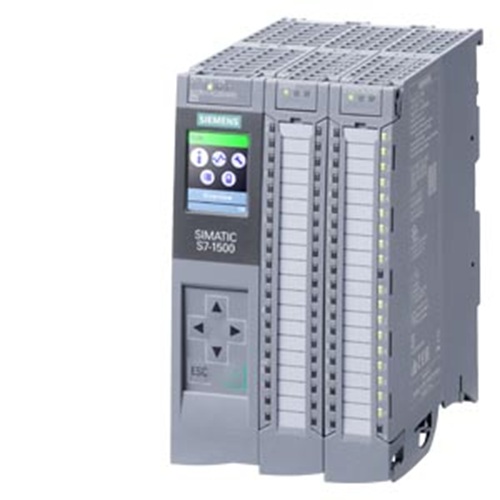
Siemens CPU 1511C-1 PN 6ES7511-1CL03-0AB0
Price 110000.0 INR / Unit
Minimum Order Quantity : 1 Unit
Control System : SIMATIC S71500
Rated Current : 1.5 A
Surface Finish : Other, Matte
Base Material : Other, Polycarbonate, Metal
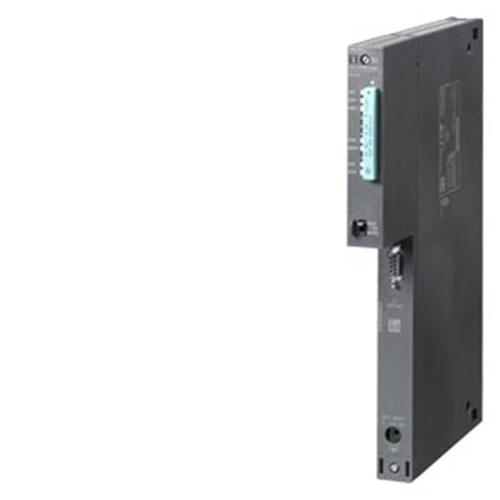
Siemens CPU412-1 6ES7412-1XJ07-0AB0
Price 450000.0 INR / Unit
Minimum Order Quantity : 1 Unit
Control System : SIMATIC S7400 Automation System
Rated Current : 1.0 A
Surface Finish : Other, Matte
Base Material : Other, Plastic

H K GLOBAL
GST : 24CRRPG0850N1ZG
GST : 24CRRPG0850N1ZG
G 102, Alok Paradise, Bapa Sitaram Chowk, Opp. Metro Mall, Ring Road, Vastral,Ahmedabad - 382418, Gujarat, India
Phone :07971459627
 Send Inquiry
 Send Inquiry
 Send SMS
H K GLOBAL
All Rights Reserved.(Terms of Use)
Developed and Managed by Infocom Network Private Limited.
Developed and Managed by Infocom Network Private Limited.

